Humans have been wondering about what happens to us after we die since the dawn of time. Religion uses concepts like paradise, hell, and reincarnation to try to fill this gap for us. Nearly 4,000 religions exist in the globe, and there are nearly as many theories about what happens to us all after we die. Continue reading to see how 20 different religions view life after death.
Christianity
According to Christian doctrine, people will have eternal life after they pass away and that death is not the end. Christians believe that everyone has a soul and that God will judge them once they pass away. According to popular belief, you either go to paradise or hell.
Islam
Islam teaches that since death is not the end, it should not be feared. They hold that once Allah sends an angel to gather a person’s soul, two other angels will eventually try your faith. If you are deemed pure, according to Muslim belief, you will be sent to Barzakh to await the Day of Judgment.
Hinduism
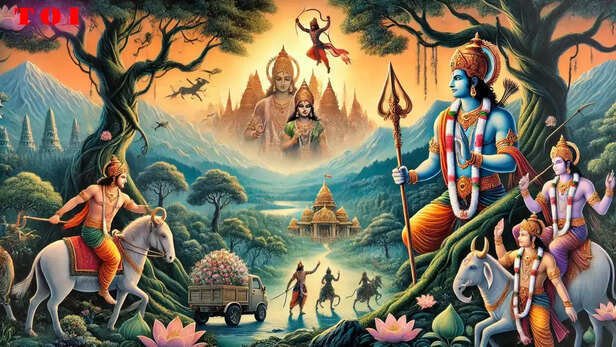
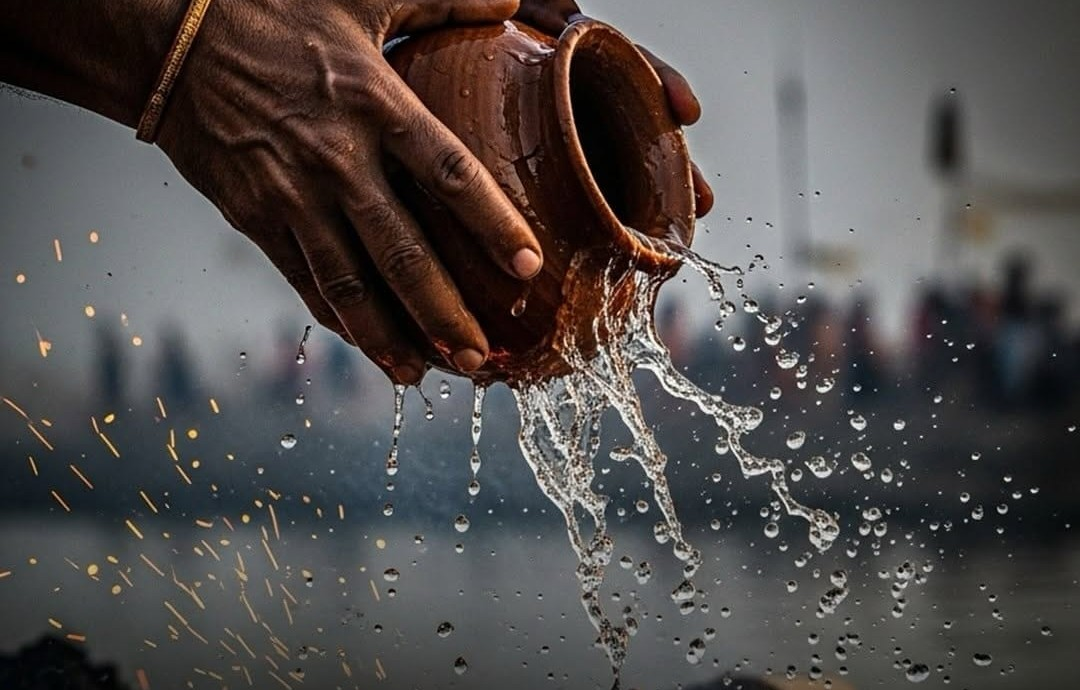
The majority of Hindus hold that reincarnation, also known as Samsara, is a cycle of death and rebirth. It is possible for humans to reincarnate in a different body, including an animal one. According to certain Hindus, Moksha is the means by which an individual might be freed from the never-ending cycle of reincarnation.
Buddhism
Buddhism teaches that life and death are a continuum. Once death occurs, the spirit continues and can be reborn. Many believe that when, where, and how the rebirth occurs is determined by a person’s accumulated karma.
Sikhism
Sikhs hold that the soul reincarnates after death according to one’s deeds and that overcoming ego and meditating on God can free one from the cycle of rebirth.
Judaism
Jewish views on the afterlife are varied, often unclear, and frequently up to personal interpretation. Nonetheless, the concept of the World to Come is the most widely held belief on the afterlife. Judaism is adamant that human existence continues beyond death. Another core tenet of this religion is the ultimate resurrection of the dead.
Bahá’í
The Bahá’í faith teaches that the soul continues its journey after death, progressing through spiritual realms, and though the body returns to dust, the soul experiences freedom and joy. Bahá’í believe that the soul’s advancement is helped by God’s grace and the good deeds and prayers of those still living. Death is seen as a transition to a more luminous state, not something to be feared.
Zoroastrianism
According to Zoroastrianism, the soul is judged at the Chinvat Bridge after death and is either sent to paradise or suffer. Good words, good deeds, and good thoughts are all valued by Zoroastrians. They hold that all souls will eventually return to God after being cleaned at the end of time.
Jainism
According to Jainism, one of the oldest religions in the world and an Indian one, the soul is everlasting and goes through cycles of birth and reincarnation. By releasing the soul from karma, which keeps it bound to the cycle of reincarnation, the ultimate aim is to attain nirvana. According to Jains, leading a completely non-violent life is the path to good karma.
Shinto
With over 3 million adherents worldwide, Shinto is an indigenous religion that has its roots in Japan. The core tenet of the Shinto conception of the afterlife is that the spirit lives on and continues to assist the living. According to this faith, after death, people transform into kami, or sacred spirits, who are then worshipped by their kin.
Neo-paganism
The vanished pre-Christian religions of Europe, West Asia, and North Africa serve as the model for this new religious family. Neo-paganism has a number of views on what happens to us after we die. Although a lot of pagan people think that there is an afterlife, different people have different ideas about what it looks like. While some believe in spirits reincarnating, others believe in a land of endless sunshine.
Mormonism
One of the main tenets of Mormonism is the spirit realm, which is a place where deceased people’s souls go. According to this religion, the spirit realm is split into two sections: paradise and jail, and it is a transitory space between death and immortality. They hold that everyone who has died will be raised from the dead at the second coming of Jesus, and that God will judge a soul.
Rastafarians
According to Rastafarians, reincarnation happens with the same identity but a different physical form, and they believe in the idea of endless life. They also call death “transitioning.” Since they believe that the soul is eternal and the body is merely a transient vessel, they frequently do not have funerals. In fact, in this religion only evil things die, and a true Rasta cannot die but keeps on living in a new body.
Voodoo
The old religions of Africa and the Caribbean are the origins of the Haitian religion known as voodoo. According to Voodoo, a soul stays in the world until it is able to reincarnate. Adherents hold that each soul is made up of two halves, known as the tiny good angel and the big good angel, which are responsible for caring for the soul after death. Another essential tenet of this religion is the idea that a peaceful transition can be achieved by honoring the deceased.
Australian Aboriginal spirituality
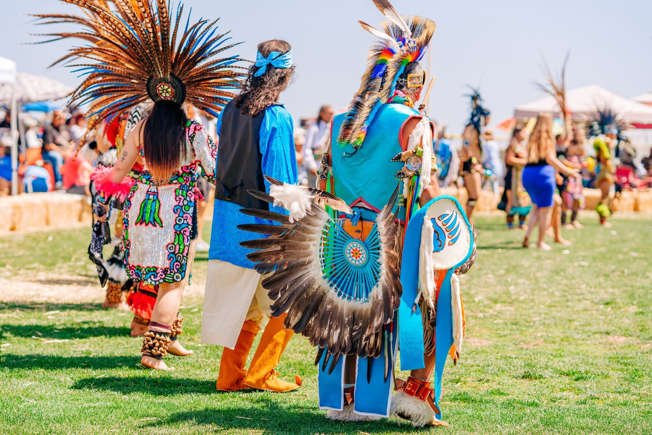
Aboriginal tribes in Australia have long held the belief that deceased people’s spirits go to the Land of the Dead. Ancestral creatures built the Earth in this spiritual plane, and souls can still communicate with living people from there. This faith rejects the notion of an afterlife with rewards or penalties.
Confucianism
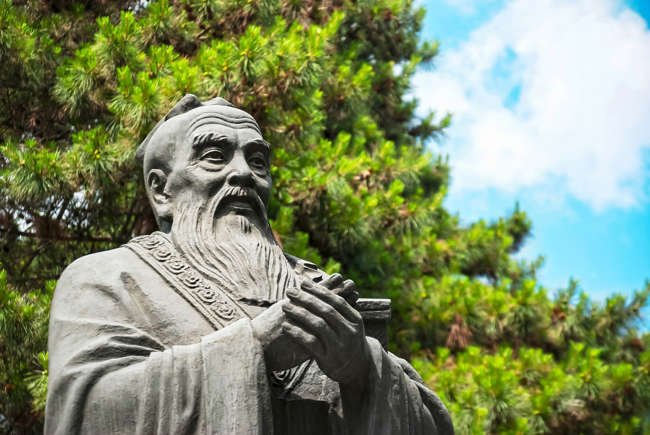
It is an ancient Chinese religion that emphasizes living in the now rather than dwelling on the specifics of the afterlife. They think that what happens to us when we die is less significant than emphasizing moral behavior and the value of social peace. Confucianists do hold that it is crucial to honor one’s ancestors and that one’s legacy and influence are carried on by their offspring.
Taoism
According to Taoism, death is a continuation of life’s natural cycle and a transition rather than its conclusion. Taoists hold that the soul either re-integrates into the Tao after death or continues to exist on Earth in various ways. Living in accordance with Tao can lead to a harmonious afterlife.
Rastafarians
According to Rastafarians, reincarnation happens with the same identity but a different physical form, and they believe in the idea of endless life. They also call death “transitioning.” Since they believe that the soul is eternal and the body is merely a transient vessel, they frequently do not have funerals. In actuality, only evil things die in this faith, and a pure Rastafarian never dies—instead, they continue to live in new bodies.