
What tales of heavenly travels and heavenly conflicts would they relate about a bygone era? Imagine standing beneath an old banyan or peepal tree, its limbs spreading skyward, containing secrets from a time when Lord Rama wandered the woods, each stride bearing the burden of devotion and virtue.
The Divine Connection: The Quiet Defenders of Nature
These trees are more than just organic creatures; they are representations of the heavenly forces that have long favored the planet. Deeply ingrained in the ground, they continue to stand as a living reminder of Lord Rama’s enduring presence and his holy trip. As the trees’ branches reach the sky, they serve as a reminder of the bond between the divine and the ground and impart power, perseverance, devotion, and resilience.
A Stroll with the Blessings of Rama We frequently overlook the sacredness that surrounds us as we go through life, whether it be in the shape of mountains, rivers, or trees. The strength of Rama’s trip is carried by these ancient trees, which have remained strong for ages. In addition to serving as historical witnesses, they also bestow blessings on anybody who approaches them in prayer and with an open heart.

The Peepal Tree at Shabari’s Ashram: The Essence of True Devotion
A respected peepal tree silently watches Lord Rama’s encounter with the lowly yet fervently loyal Shabari in the center of the Dandaka Forest. Shabari, a low caste woman, demonstrated the strength of unwavering love by offering Lord Rama fruit that she had personally tasted.
In Hinduism, the peepal tree, which is frequently revered, represents wisdom and enlightenment. Its leaves extend into the sky, while its broad, deep roots absorb nutrients from the ground. The heavenly spirit that passed through Rama at that encounter and the purity of Shabari’s devotion are practically palpable in its presence. True dedication surpasses all material distinctions, as the tree continues to tell us.
The Neem Tree at Sitamarhi: Birthplace of Purity
An ancient Neem tree in Sitamarhi, the birthplace of Sita, stands as a testament to the creation of the symbol of power and purity. This Neem tree provided shade for the creation of Sita, the Earth’s daughter. The energy of Sita’s poise, fortitude, and tenacity is contained in this tree.
The benefits of Sita’s purity are carried by the neem tree, which is valued for its therapeutic qualities at this hallowed location. Visitors frequently describe feeling incredibly safe and at ease. The Neem Tree continues to instill strength and purity in everyone who seeks it out because of its therapeutic properties.
The Tamarind Tree at Panchavati: A Sacred Witness to Sita’s Captivity
An ancient tamarind tree towers over the thick forests of Panchavati, the place where Lord Rama, Sita, and Lakshmana resided during their exile. Here, the world was irrevocably altered when Ravana kidnapped Sita, sparking one of the biggest conflicts in history.
When Lord Rama lost his beloved bride, this tamarind tree, whose branches have grown over the years, saw his anguish and grief. However, it also witnessed the tremendous bravery and fortitude that grew within Rama’s heart throughout that time of grief. The tree still stands as a testament to resiliency, showing us that purpose and strength may emerge even in the midst of severe loss.

The Banyan Tree at Chitrakoot: The Silent Keeper of Secrets
An old banyan tree stands with its roots buried deep in the earth of Chitrakoot, a hallowed place where Lord Rama, Sita, and Lakshmana spent a large portion of their exile. This tree became a mute witness to the deep discussions that Lord Rama and his brother Lakshmana had while they sat in its shade, debating dharma, duty, and destiny.
With its wide-ranging branches and profound roots, the banyan represents resilience and defense. Those who come with a pure heart are reported to find tranquility in the tree, which is said to still bear the blessings of Lord Rama. If you stand under this tree and close your eyes, you may sense the whisper of Rama telling you to remain anchored through all of life’s challenges.
The Ashwattha Tree at Rishyamook Hill: A Sacred Bond
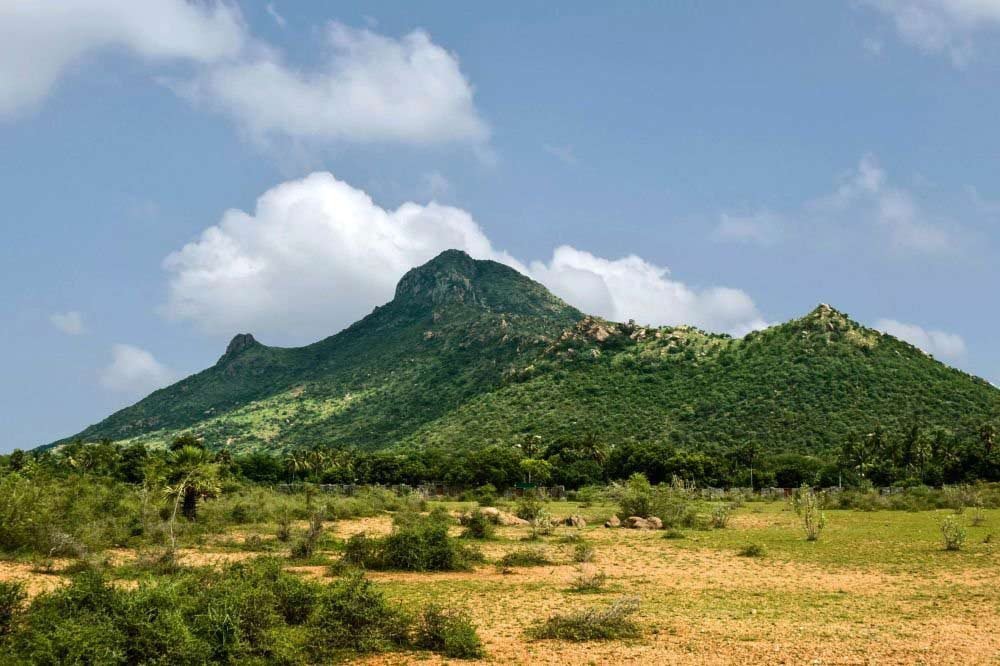
The Ashwattha Tree on Rishyamook Hill, where Lord Rama forged a partnership with the powerful monkey king Sugriva, symbolizes an enduring connection of friendship and morality. One of the epic’s biggest alliances was born under this hallowed tree, which is also known as the tree of wisdom.
The Ashwattha tree symbolizes the bond between the ground and the skies with its deep roots and upward-extending branches. It serves as a reminder that true strength arises from uniting for the common good and represents unity and the power of dharma. The tree’s presence here is a reminder that, like Rama’s partnership with Sugriva, friendships and trusts may endure the test of time.