Mountains tend to make us feel insignificant. The world seems to get quieter when you stand at the base of one, as if something deeper, older, and far more urgent than human beings is keeping watch. Perhaps this explains why so many cultures have perceived mountains as more than just mountains and elevation. Perhaps this explains why some peaks in India are more than just geographical features; they are symbols of deity. It would be an understatement to say they are “sacred.”
For thousands of years, these mountains have supported the weight of prayers, myths, and gods. Beyond the tales, however, they pose the query: what does it mean for a location to be considered holy? And do we still know how to stop and listen in a world that is always moving at a breakneck pace?
1. Mount Kailash
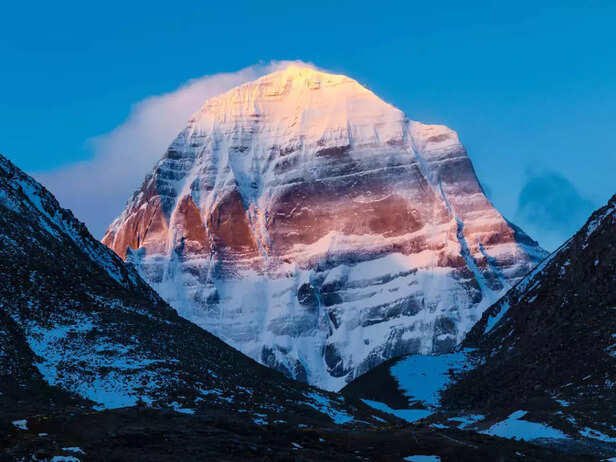
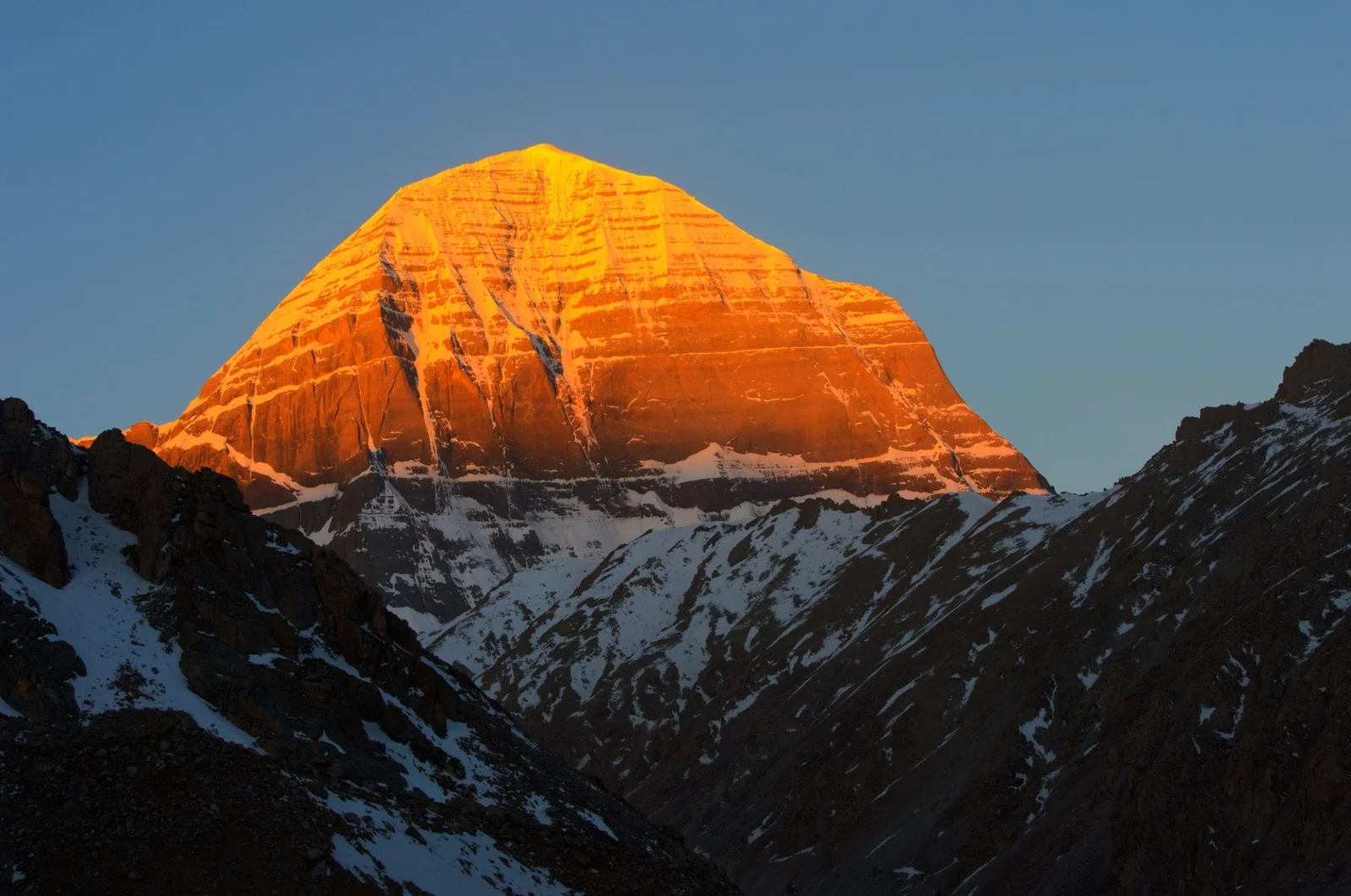
There are mountains people climb—and then there’s Mount Kailash, the one no one dares to. Located in Tibet, its summit remains untouched, not due to lack of skill, but out of deep spiritual reverence. Mount Kailash is believed to be the sacred abode of Lord Shiva, and for Hindus, Buddhists, Jains, and Bon followers, it’s not just a mountain—it’s a divine presence. Instead of climbing it, pilgrims undertake a 52-kilometer ritual walk around its base, known as the Kailash Kora, believed to purify one’s soul and erase the weight of past karma.
Just one full circumambulation is said to bring spiritual merit; complete it 108 times, and you may break free from the cycle of rebirth. But perhaps the deeper truth is this: maybe the journey was never about the walking—it’s about the transformation along the way.
2. Govardhan Hill
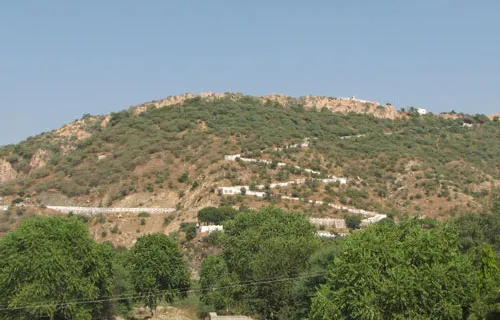
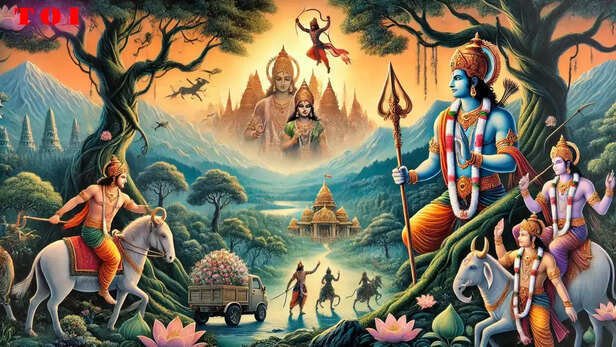
Not every sacred mountain rises high into the sky. Some, like Govardhan Hill near Mathura, are modest in size—but immense in spiritual significance. According to Hindu mythology, Lord Krishna once lifted this hill on his little finger to protect the people of Vrindavan from a devastating storm sent by the rain god, Indra. For many devotees, Govardhan isn’t just a hill—it’s a symbol of divine protection and unwavering faith.
The deeper meaning of the story goes beyond the miracle itself: true devotion means standing strong through life’s storms, trusting that you’re never truly alone. Even today, thousands of pilgrims perform the Govardhan Parikrama, walking barefoot around the hill to honor Krishna’s act. It’s not just the path that transforms them—but the insight they gain by the journey’s end.
3. Trikuta
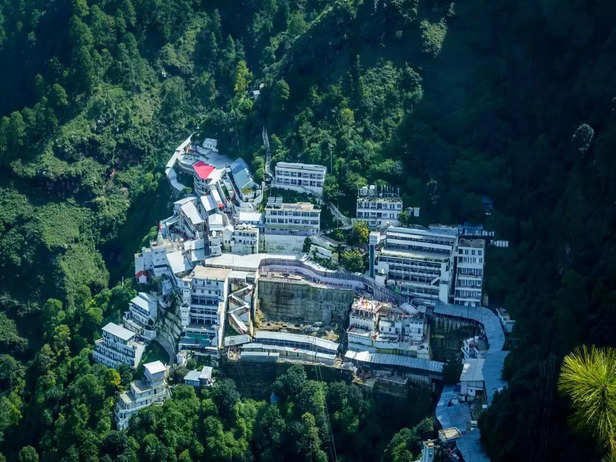
While many deities are worshipped in grand temples, Goddess Vaishno Devi chose a quiet cave nestled in the Trikuta Mountains. Her shrine doesn’t just attract millions of pilgrims—it takes them on a transformative journey. The 12-kilometer uphill trek to the Vaishno Devi temple is physically demanding, and that’s part of its spiritual purpose. As devotees climb, shedding fatigue and distractions, they often find themselves letting go of more than just physical burdens.
Some believe the goddess never left Trikuta because mountains naturally embody solitude and reflection. They teach us that true strength isn’t about constant visibility, but about knowing when to retreat and reconnect. In an age that values being seen, perhaps that’s exactly the wisdom we need to remember.
4. Parvati Valley
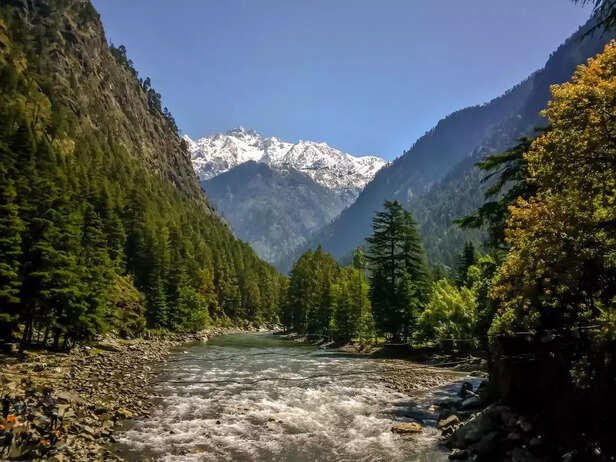
Parvati Valley in Himachal Pradesh is believed to be the place where Lord Shiva meditated for thousands of years—and if you’ve ever experienced its serene silence, it’s easy to see why. The valley’s stillness doesn’t just calm the outside world—it amplifies what’s within. Many travelers and seekers are drawn here not just for the natural beauty, but for the quiet introspection it inspires. In a place so peaceful, it becomes easier to hear your own thoughts—and maybe even begin asking the questions that truly matter.
The thing about spiritual seeking is that we often expect answers to come in bold, dramatic ways. But true wisdom rarely announces itself. It arrives like morning mist over the valley—soft, quiet, and only visible to those patient enough to see it. Lord Shiva didn’t choose Parvati Valley as a place of meditation because he was waiting for signs or miracles. He meditated because some truths can’t be spoken or taught—they can only be discovered in stillness and silence.
5. Arunachala
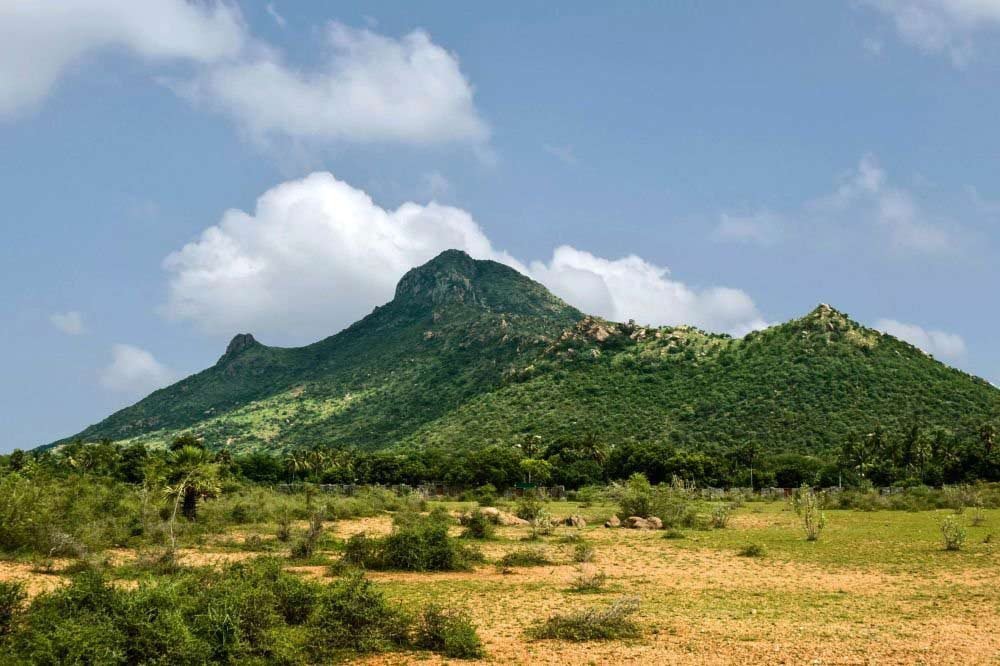
While many mountains are seen as the abodes of gods, Arunachala in Tamil Nadu is believed to be something even deeper—it is Shiva himself, embodied in the form of a mountain, representing pure, unshakable consciousness.
Revered saints like Ramana Maharshi spent their lives in Arunachala’s presence, observing its stillness and understanding that enlightenment isn’t about reaching a distant goal—it’s about recognizing a truth that has always been within. Devotees perform Giri Pradakshina, walking barefoot around the mountain as an act of devotion. But Ramana Maharshi’s teachings go further: you don’t need to move at all to complete the true journey. Because the real pilgrimage isn’t along the earth—it’s within the self. And that’s the lesson Arunachala, in all its silent strength, continues to offer.