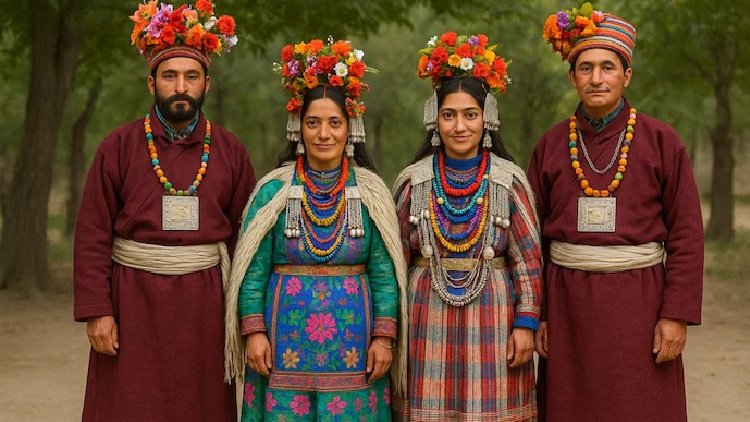
When you think of pregnancy tourism, what typically comes to mind? Most often, it’s the image of expectant mothers journeying to countries with jus soli laws—where a child born on the soil is granted automatic citizenship. For many, it’s a strategic move to secure a better future through access to stronger passports, superior healthcare, education, and social welfare.
But in Ladakh’s remote Aryan Valley, the idea takes an unexpected turn. Here, pregnancy tourism isn’t driven by legal benefits or hospital access, but rather by ancient folklore, cultural myths, and a deep-rooted fascination with preserving so-called “racial purity.”
A Remote Community and the Myth of the ‘Last Pure Aryans’
While it may sound implausible—and likely is—the notion has persisted for years. The Brokpa community (also known as Drogpa or Drokpa), residing in a handful of Himalayan villages such as Dah, Hanu, Darchik, Biama, and Garkon, claim direct descent from the ancient Aryans. What sets the Brokpas apart from other communities in Ladakh are their distinct physical features—tall stature, fair skin, and light-coloured eyes—traits that have long fueled their mystique.
According to local legends—often romanticized through tourism—the Brokpas are believed to be the last surviving pure Aryans, said to be descendants of soldiers from Alexander the Great’s army who remained in the region. This myth, deeply woven into cultural identity and tourist storytelling, continues to shape how the world views this isolated ethnic group.
Myth vs Reality
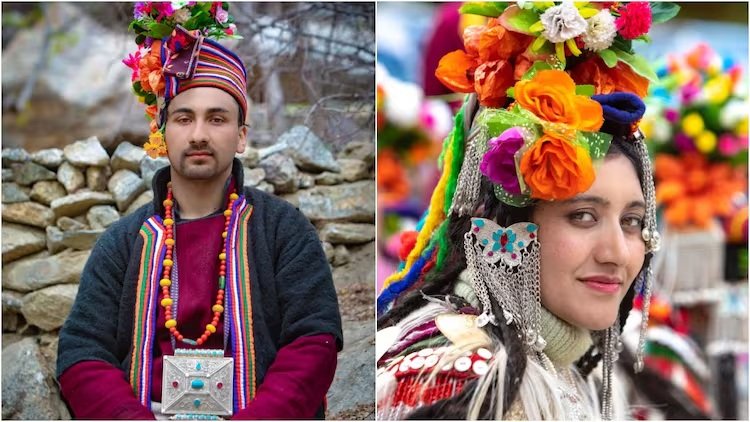
The popular belief that the Brokpas are direct descendants of the Aryans has been largely debunked by historians and genetic researchers — there’s no credible scientific evidence to support it.
As for “pregnancy tourism” in Ladakh, there’s little indication that it exists in any organised or significant form. Most references trace back to anecdotal accounts, embellished travel stories, or casual talk among locals and travellers. Experts and journalists familiar with the region emphasize that while a few rare instances might have occurred, it’s far from a common or thriving trend. Some even suggest that the myth itself has been amplified — sometimes by the locals — to intrigue visitors and fuel tourism.
Between gossip and curiosity
Ultimately, Ladakh’s so-called “pregnancy tourism” lies somewhere between myth and marketing — a blend of folklore, fascination, and half-whispered tales. Its endurance isn’t rooted in evidence, but in allure, the charm of stories people want to believe. Perhaps what draws visitors isn’t the promise of “legendary genes,” but the legends themselves, which, like the mountains, refuse to fade.